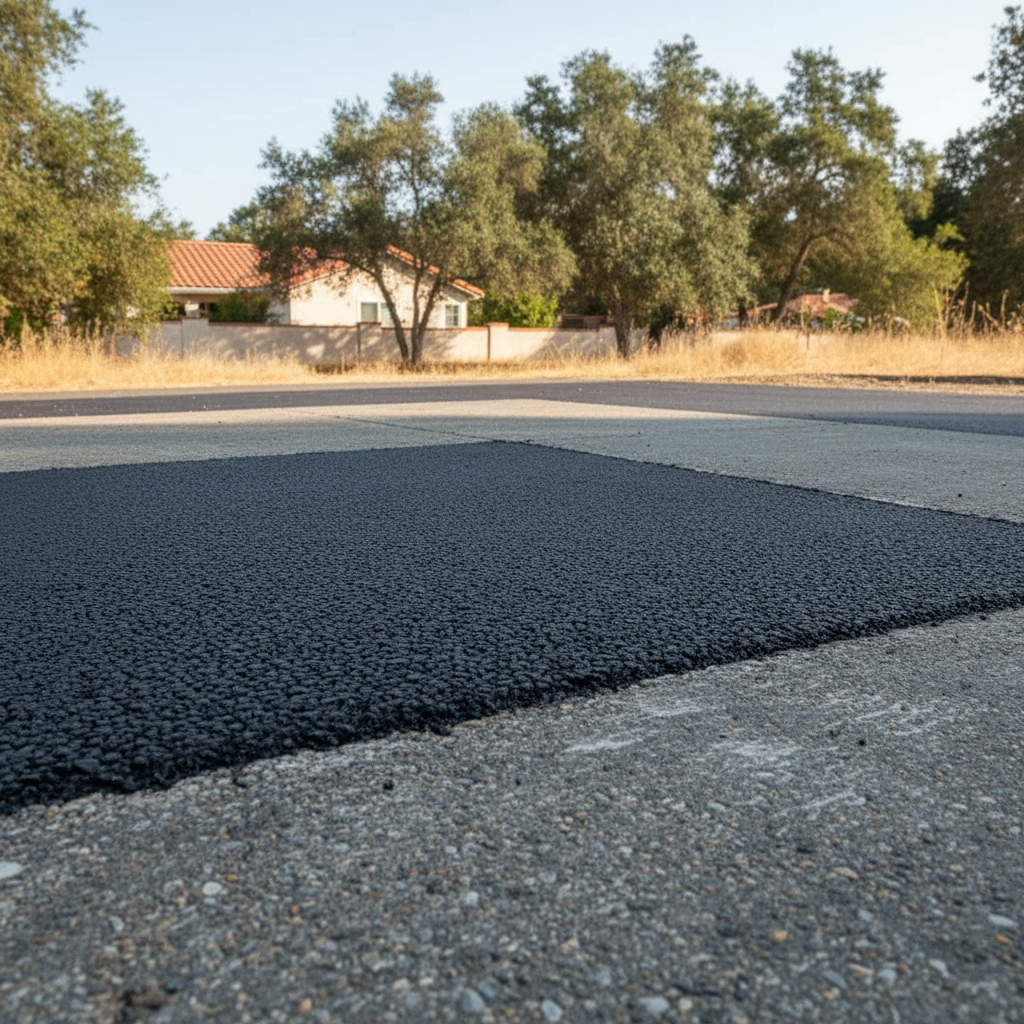
Alright, let's talk about your driveway. You've probably noticed it – those little cracks, maybe a pothole starting to form. It's a pretty common sight around Fremont, especially with our hot summers and those occasional heavy rains. You might be wondering, "Can I fix this myself, or do I need to call someone?" That's a good question, and I'm here to give you the straight scoop.
Before You Grab That Bucket of Cold Patch
First things first, you've got to check out the damage. Not all cracks are the same, and neither are all potholes, right? A small, hairline crack that's just starting? You can probably handle that. But a massive spiderweb of cracks across half your driveway, or a pothole deep enough to lose a small pet in? Yeah, that's a whole different story.
- Hairline Cracks: These are usually a good DIY project. They're often just on the surface and haven't messed with the base layer yet.
- Alligator Cracking: This looks like a bunch of interconnected cracks, kind of like an alligator's skin. It means the base underneath is failing. This isn't a simple patch job; it usually needs a much bigger repair.
- Potholes: Small, shallow ones can be DIY. Deeper, wider ones often mean water has gotten under the asphalt and eaten away at the sub-base. Just filling the hole won't actually fix the real problem.
- Edge Cracks: Cracks along the edge of your driveway often pop up when the base isn't properly supported. They can be tricky because the underlying issue might be drainage or soil erosion.
Also, think about how old your driveway is. If it's pretty old and showing widespread deterioration, you might just be throwing good money after bad trying to patch every little thing. Sometimes, a full overlay or even replacement makes more sense for the long haul.
What You Can Realistically Do Yourself
For those smaller issues, you absolutely can make some effective DIY repairs. Here's what you'll need and what to do:
Crack Repair
You'll want a good quality asphalt crack filler. You can find these at most hardware stores. Make sure the crack is clean and dry. Use a wire brush to get any dirt or loose debris out – a leaf blower works great for the dust, too. Then, just apply the filler following the product's instructions. Some come in pourable bottles, others you squeeze out. Make sure it fills the crack completely and smooth it out with a trowel or squeegee. Don't overfill; you want it flush with the existing pavement.
Small Pothole Repair
For small, shallow potholes (think less than a couple of inches deep and not too wide), cold patch asphalt mix is your best friend. Again, clean out the pothole thoroughly. Get rid of any loose asphalt, dirt, or standing water. A tamper or a heavy piece of wood can help compact the base if it's a bit soft. Pour the cold patch into the hole, slightly overfilling it. Then, compact it down really well. You can drive over it a few times with your car or use a hand tamper. The more you compact it, the better it'll hold up. Just make sure the patch is level with the surrounding pavement so water doesn't pool on it.
When It's Time to Call a Pro
Look, I'm all for saving a buck, but there are definitely times when trying to DIY a repair will just cost you more in the long run. Here's when you should pick up the phone and call a professional like us at Progressive Asphalt Paving:
- Extensive Alligator Cracking: As I mentioned, this means a base problem. We'll need to remove the damaged section, repair or rebuild the base, and then lay new asphalt. A homeowner trying to patch over this will just see the cracks reappear quickly, believe me.
- Large or Deep Potholes: If a pothole is deep or wide, it's likely a sign of significant sub-base failure. We have the equipment to properly excavate, compact new aggregate, and lay hot asphalt that will bond correctly and last.
- Multiple Issues Across the Driveway: If you've got cracks, potholes, and areas that are sinking or heaving all over the place, you're looking at more than just spot repairs. This often points to widespread drainage issues or a failing foundation, which really needs a professional assessment and repair.
- Drainage Problems: If water is consistently pooling on your driveway, or if you notice areas where water is eroding the edges, that's a job for a pro. We can figure out the cause and put in solutions like proper grading or drainage systems. This is especially important in areas like the Niles District where older homes might have original driveways that weren't designed for modern water runoff.
- If You're Not Comfortable: Honestly, if you're not confident in your ability to do a good job, or if you just don't have the time or tools, don't sweat it. It's always better to have it done right the first time.
Doing a small repair yourself can be really satisfying, and it can definitely extend the life of your driveway. Just know your limits. For bigger jobs, or if you're unsure, get a professional opinion. We're here to help Fremont homeowners keep their driveways in top shape, whether that's with a simple patch or a full overhaul.